
Starting music lessons for the first time is exciting, but it’s also completely normal to feel a little nervous. Whether you’re picking up a guitar for the first time, sitting at a piano, or preparing for vocal coaching, your first music lesson is all about getting comfortable, learning the basics, and beginning your musical journey in a supportive environment.
At Rockit Academy, we work with students of all ages and experience levels, helping beginners build confidence while developing real musical skills through hands-on instruction and live performance opportunities.
Meeting Your Music Instructor
One of the most important parts of your first lesson is getting to know your instructor. Every student learns differently, so your teacher will spend time understanding your goals, musical interests, and current experience level.
If you’re taking music lessons for beginners, there’s absolutely no expectation that you already know how to play. In fact, many students come in with zero experience. Your instructor is there to guide you step by step and make learning enjoyable from day one.
During your first lesson, your instructor may ask questions like:
- What artists or songs inspire you?
- Have you ever played an instrument before?
- What are your goals with music lessons?
- Are you interested in performing live someday?
This helps create a personalized learning experience that keeps students engaged and motivated.
Students interested in individualized instruction can learn more about private music lessons offered at Rockit Academy.
What to Bring to Your First Music Lesson
Depending on the instrument, there are a few basic items students should bring to help make their first lesson successful.
For example:
- Guitar students may need picks and a tuner
- Piano students may want a notebook for exercises
- Drum students may need sticks
- Vocal students should bring water and be ready for breathing exercises
If you don’t already own an instrument, don’t worry. Your instructor can guide you toward the right equipment over time while you begin learning an instrument.
The most important thing to bring is simply a willingness to learn.
Learning the Basics
One of the biggest misconceptions about beginner music lessons is that students are expected to know music theory or read sheet music immediately. That’s not the case at all.
Your first lesson typically focuses on foundational skills such as:
- Proper posture and technique
- Hand placement
- Rhythm and timing
- Basic chords or notes
- Tuning
- Breathing exercises for singers
For students taking a first guitar lesson, instructors may introduce simple chord shapes and strumming patterns. During a first piano lesson, students often begin learning key placement and basic melodies.
The pace is designed to feel comfortable and encouraging, especially for beginners.
Playing Music Early On
One of the best parts about starting music lessons is that students often begin playing music right away. Even simple exercises or short melodies can create excitement and build confidence quickly.
At Rockit Academy, lessons are designed to keep students engaged from the very beginning. Instead of overwhelming students with too much technical information, instructors focus on helping them enjoy the process of making music.
This approach helps students better understand what to expect in music lessons while building excitement for future sessions.
Building Confidence Through Practice
Learning music is a process, and improvement comes with consistency. Fortunately, practice doesn’t need to feel overwhelming.
Short, focused practice sessions throughout the week are often more effective than long, infrequent sessions. Your instructor will usually provide exercises or songs to work on between lessons so you can continue improving at home.
Over time, students begin to notice:
- Better coordination
- Improved listening skills
- Increased confidence
- Stronger discipline and focus
Many parents also notice positive improvements outside of music, including patience, creativity, and communication skills.
To learn more about how music education impacts personal development, visit The Benefits of Playing an Instrument.
Performance Opportunities and Musical Growth
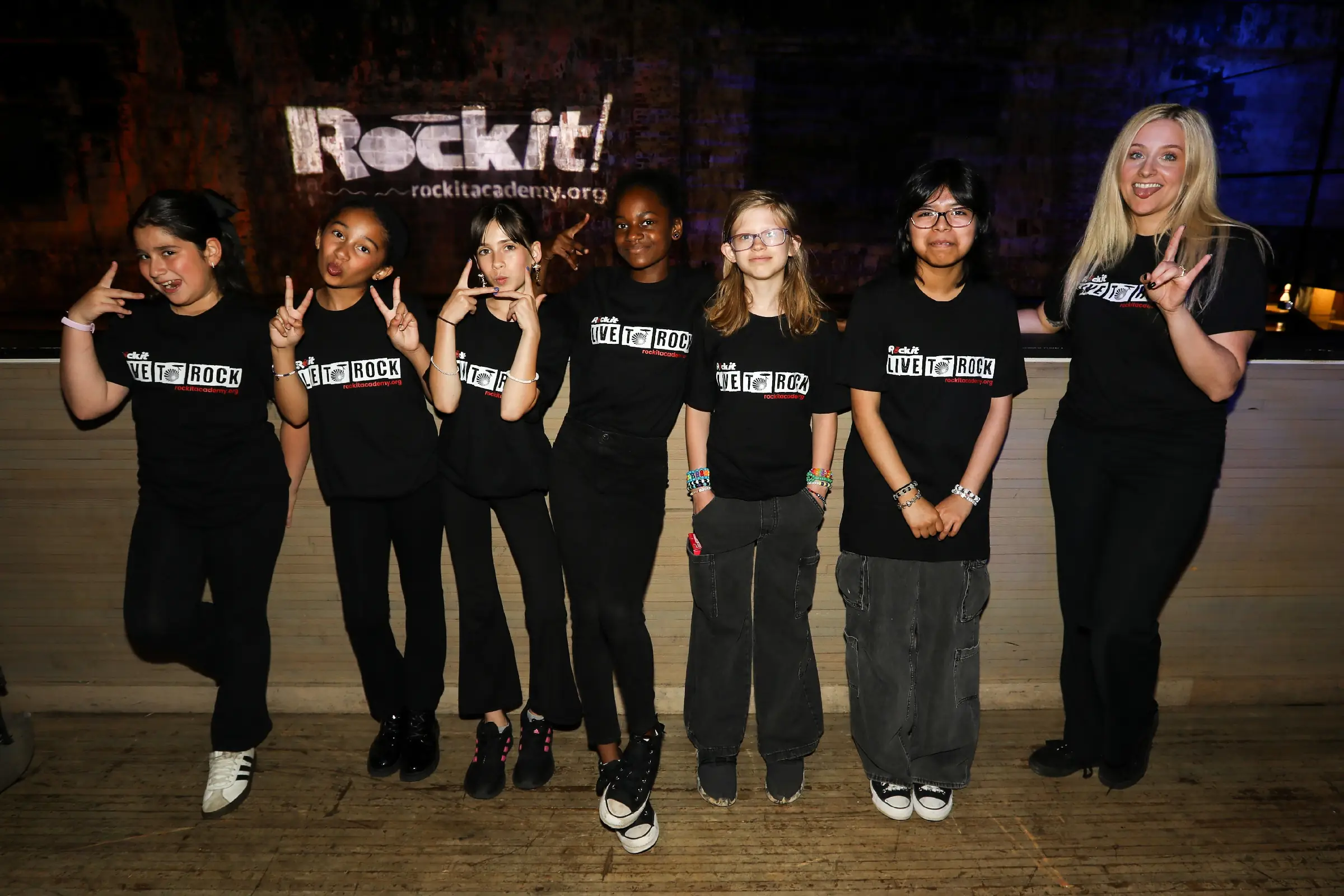
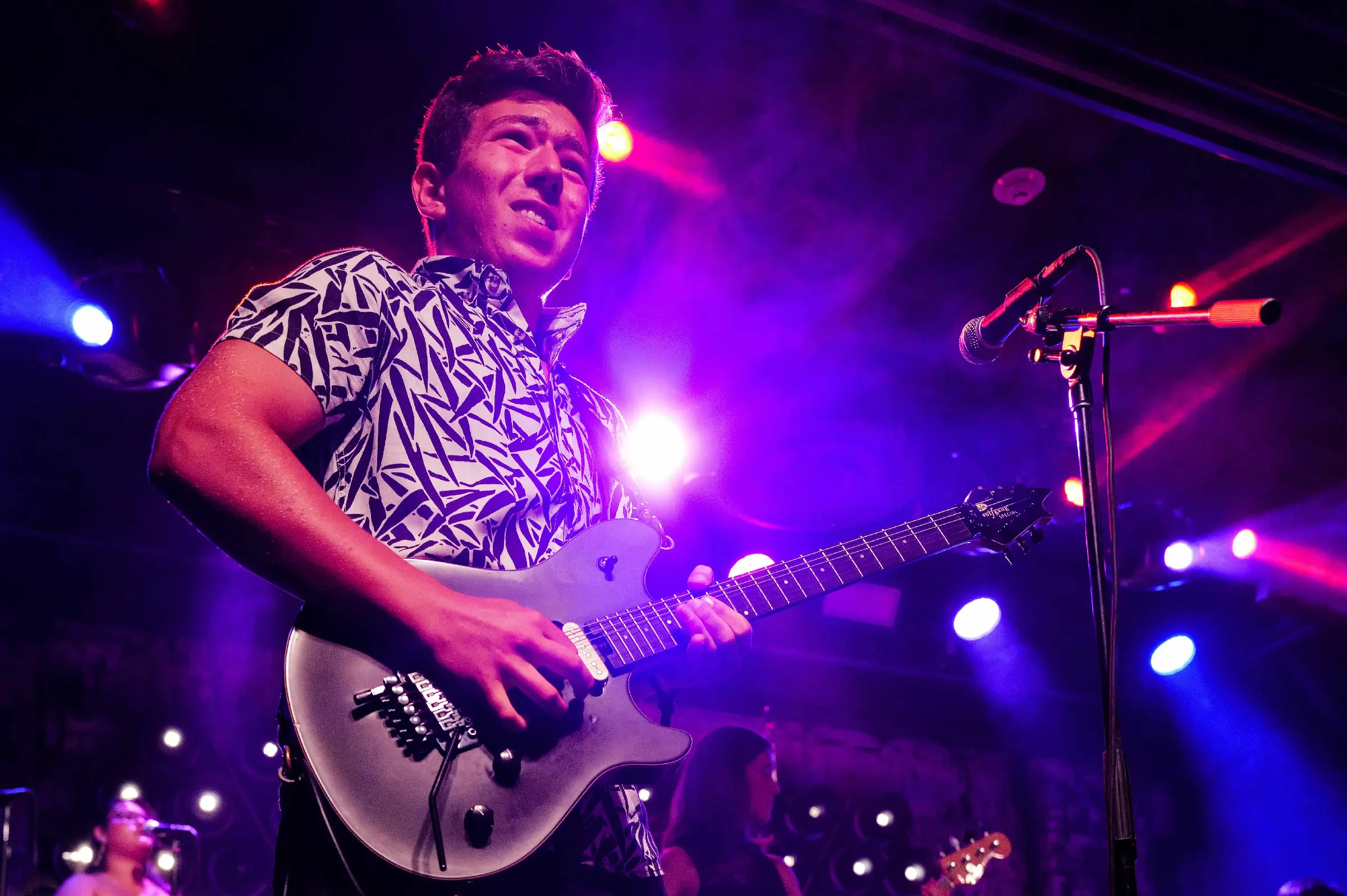
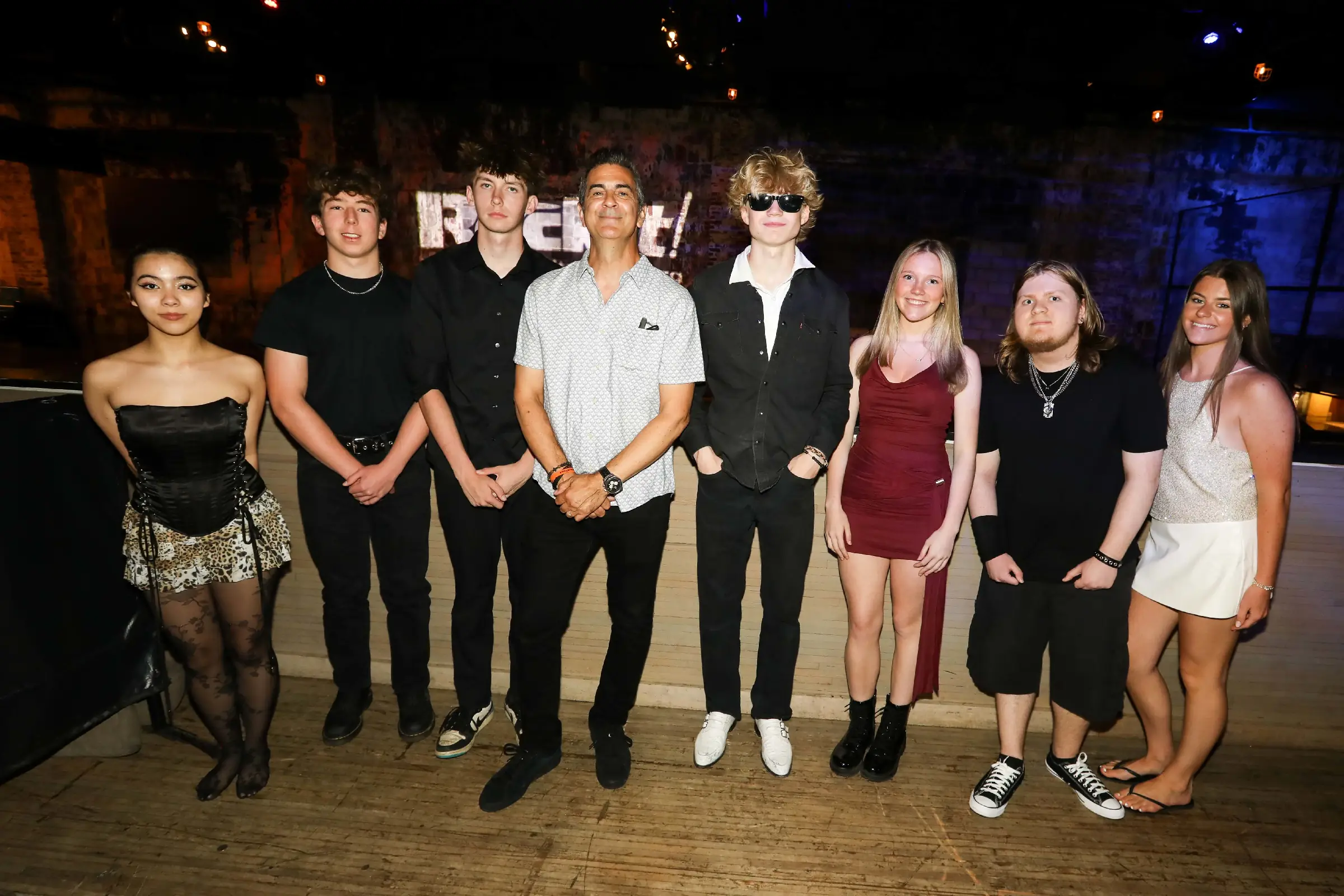
At Rockit Academy, music education goes beyond private instruction. Students also have opportunities to rehearse, collaborate, and perform live in front of real audiences.
This performance-based approach helps students:
- Develop stage presence
- Build confidence
- Learn teamwork
- Apply what they’ve learned in real-world situations
For many beginners, seeing experienced student performers during concerts becomes a huge source of inspiration and motivation.
Students interested in performing can also explore opportunities through the academy’s audition process.
Why Your First Music Lesson Matters
Your first lesson lays the foundation for everything that comes next. More importantly, it helps students discover that music is not about perfection, it’s about growth, creativity, and expression.
Every professional musician started as a beginner. Taking that first step can lead to years of artistic development, confidence, and unforgettable experiences.
Whether your goal is to perform on stage, write songs, or simply enjoy music as a hobby, the journey starts with one lesson.
Ready to Start Your Musical Journey?
If you’ve been thinking about trying music lessons, there’s never been a better time to begin. Rockit Academy provides a welcoming environment where students can grow musically while building confidence and lifelong skills.
Whether you’re interested in guitar, piano, drums, bass, or vocals, our instructors help beginners feel comfortable from day one.
Ready to get started?
Contact Rockit Academy Today
Or learn more about our private instruction programs.
Frequently Asked Questions
What happens during a first music lesson?
Most first lessons focus on meeting the instructor, learning the basics of the instrument, and beginning simple exercises or songs.
Do I need experience before taking music lessons?
No experience is necessary. Our music lessons for beginners are designed specifically for students who are brand new to music.
How long is a typical lesson?
Lesson lengths vary depending on the program, but most beginner lessons range from 30 to 60 minutes.
What instrument is best for beginners?
The best instrument depends on the student’s interests and goals. Guitar, piano, drums, and vocals are all excellent starting points.
How often should beginners practice?
Consistent practice throughout the week is recommended, even if sessions are short.
Are private music lessons worth it for beginners?
Absolutely. Private music lessons allow instructors to tailor lessons to each student’s pace, interests, and goals.